





The voice in your head can be your greatest enemy in early recovery. That persistent whisper tells you that you are broken, that you will never change, that one slip means total failure. This negative self-talk is not just uncomfortable — it actively threatens your sobriety by reinforcing the shame and hopelessness that fuel addiction. Research shows that many people in early recovery struggle with persistent negative thought patterns that undermine their commitment to sobriety. Many people in recovery spend years battling these internal narratives, unaware that they have the power to rewrite them through daily affirmations. The words you speak to yourself matter profoundly, and changing those words can change your brain, your behavior, and ultimately your life.
Daily affirmations are not wishful thinking or empty positivity — they are a clinical tool used in evidence-based addiction treatment to rewire destructive thought patterns and build genuine self-efficacy. When practiced consistently, these intentional positive statements create new neural pathways that support the brain’s healing from substance use disorders. Self-affirmation techniques have been integrated into cognitive behavioral therapy and other treatment modalities because they address the core beliefs that often drive addictive behavior. This comprehensive guide provides recovery-specific affirmations organized by stage and challenge type, along with practical guidance on creating a morning affirmation practice that strengthens your sobriety. Whether you are in your first week of recovery or celebrating years of sobriety, these positive statements offer powerful support for the internal work that makes lasting change possible.
What Are Daily Affirmations and How Do They Support Recovery?
Daily affirmations function as positive affirmations for mental health that challenge negative thought patterns and reinforce new, healthier beliefs about yourself and your recovery. Effective affirmations are specific, present-tense declarations that address the core beliefs underlying addictive behavior — beliefs about worthiness, capability, and identity. When you repeat these statements consistently, you are actively engaging in a form of cognitive restructuring that changes how your brain processes information about yourself and your potential. The repetition is crucial because it takes consistent input to override years or decades of negative self-talk and shame-based thinking that often accompany substance use disorders. This is why self-affirmation techniques work best when practiced multiple times daily over extended periods.
What are affirmations and do they work? Understanding this requires examining the neuroscience behind them. Repetition creates new neural pathways through neuroplasticity, essentially rewiring your brain to support recovery rather than addiction. When you practice positive statements daily, you activate brain regions associated with self-processing and reward — the same systems that were hijacked by substance use. This is why daily affirmations align so well with cognitive behavioral therapy principles used in clinical addiction treatment settings. They help you identify and challenge distorted thinking patterns, replace them with realistic positive beliefs, and reinforce the behavioral changes you are working to maintain. It is important to differentiate between toxic positivity and therapeutic affirmations grounded in realistic recovery goals — effective positive statements acknowledge where you are while pointing toward genuine growth.
| Affirmation Type | Primary Purpose | Recovery Application |
|---|---|---|
| Cognitive Affirmations | Restructure negative thought patterns | Challenge beliefs about failure and worthlessness |
| Emotional Affirmations | Build capacity to process difficult feelings | Support healthy coping without substances |
| Behavioral Affirmations | Reinforce positive actions and choices | Strengthen commitment to recovery behaviors |
| Relational Affirmations | Rebuild trust and connection with others | Support relationship repair and healthy boundaries |
| Identity Affirmations | Develop a new self-concept beyond addiction | Foster a sense of purpose and authentic self |
Powerful Affirmations Organized by Recovery Stage and Need
The most effective daily affirmations meet you where you are in your recovery journey and address the specific challenges you face at each stage. These affirmation examples for self-esteem and recovery provide targeted support for different phases and needs. Early recovery affirmations (Days 1-90) focus on building foundation and getting through each day: “I am stronger than my cravings,” “Today I choose my health over temporary relief,” “I am learning to sit with discomfort without using substances,” “My body is healing more each day I stay sober,” “I deserve a life free from addiction,” “I am building a new identity in recovery,” “One day at a time, I am creating lasting change,” “I have the courage to face my feelings without substances,” “I am not my past mistakes,” “I am capable of staying sober today,” “I am surrounded by people who support my recovery,” “I trust the recovery process even when it feels difficult,” “I can handle this trigger without using,” “I have healthy coping tools I can use right now,” and “This craving will pass — I do not have to act on it.”
These affirmations for anxiety and depression address co-occurring mental health challenges common in recovery. For shame and guilt release, try: “I am learning to forgive myself,” “My past does not define my future,” “I am worthy of love and belonging despite my mistakes,” “I am making amends through my actions today,” “I release shame that no longer serves me,” “I am human and I am learning,” “I deserve compassion, including from myself,” “I am more than the worst things I have done,” “I am healing the parts of me that hurt others,” “I am building a life I can be proud of,” “I accept myself as a work in progress,” “I am letting go of what I cannot change,” “I am in control of my choices,” “I can reach out for support when I need it,” “I choose long-term freedom over short-term relief,” “I am stronger than this moment of temptation,” “I can sit with uncomfortable emotions,” and “I have survived every trigger so far.”
- Practice your chosen positive statements at consistent times each day — morning, midday, and evening create three touchpoints that reinforce new thought patterns throughout your day.
- Speak them out loud when possible rather than just thinking them — the physical act of speaking engages more neural pathways and makes the practice more powerful.
- Personalize positive statements to address your specific triggers, trauma history, and recovery goals rather than using generic statements that do not resonate with your experience.
- Combine affirmations with action by following them with one concrete step that supports the belief you are affirming — positive statements work best when paired with behavioral change.
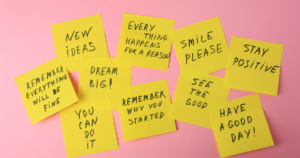
- Write your most important statements on sticky notes and place them where you will see them throughout the day — bathroom mirror, car dashboard, phone lock screen, or workspace.
- Track your daily affirmation practice and notice how your thoughts and feelings shift over weeks and months — this is evidence of progress that reinforces your commitment to the practice.
How to Create a Morning Daily Affirmation Practice That Strengthens Your Sobriety
A structured morning affirmation practice sets the tone for your entire day and creates a foundation of positive self-concept before you face challenges or triggers. Begin by waking 15 minutes earlier than usual to create space for this practice without rushing — recovery requires that you prioritize your mental and emotional health, and this time investment pays dividends throughout your day. Start with 3-5 minutes of deep breathing or meditation to center yourself and create receptivity to the affirmations you are about to practice. Then, standing in front of a mirror if possible, speak your chosen affirmations out loud with intention and focus — make eye contact with yourself and say each affirmation slowly, letting the words sink in rather than rushing through a list. Follow your affirmations with five minutes of journaling where you write about what the affirmations mean to you today, any resistance you notice, and how you plan to embody these beliefs through your actions.

Learning how to write personal affirmations requires honest self-assessment of where you struggle most and what beliefs need the most reinforcement in your recovery. If you battle shame about your past, focus heavily on forgiveness and worthiness affirmations. If cravings are your biggest challenge, emphasize affirmations about your strength and coping abilities. Creating effective affirmations means choosing statements that feel slightly uncomfortable but not completely unbelievable — if an affirmation feels totally false, your brain will reject it, and the practice loses effectiveness. During difficult periods like anniversaries of trauma, relationship conflicts, or high-stress seasons, adjust your daily affirmations to address these specific challenges rather than continuing with generic statements.
| Recovery Stage | Primary Focus | Affirmation Theme |
|---|---|---|
| Days 1-30 | Physical stabilization and initial commitment | Strength, daily choice, healing |
| Days 31-90 | Building new routines and identity | Growth, learning, self-discovery |
| Months 4-12 | Addressing underlying issues and triggers | Forgiveness, emotional resilience, and coping |
| Year 2+ | Sustaining sobriety and building a meaningful life | Purpose, connection, continued growth |
Start Your Recovery Journey with Evidence-Based Treatment at Bakersfield Recovery Center
While daily affirmations are powerful tools for supporting recovery, lasting sobriety requires comprehensive professional treatment that addresses the biological, psychological, and social dimensions of addiction. Bakersfield Recovery Center integrates affirmation practices into clinical programming alongside medical detox, individual and group therapy, trauma-informed care, and robust aftercare planning. Our experienced clinical team teaches clients how to use self-affirmation techniques as part of a broader toolkit that includes cognitive behavioral therapy, mindfulness practices, relapse prevention strategies, and dual diagnosis treatment for co-occurring mental health conditions. We understand that building positive self-concept and genuine self-efficacy is essential to overcoming the shame and hopelessness that fuel addiction, which is why we emphasize these practices throughout every phase of treatment. If you or someone you love is struggling with substance use, contact Bakersfield Recovery Center today to verify your insurance coverage and learn about our personalized treatment programs. Recovery is possible, and you do not have to do it alone — professional support makes the difference between struggling in isolation and building sustainable sobriety surrounded by people who understand your journey.
FAQs About Daily Affirmations in Addiction Recovery
Do daily affirmations actually work for addiction recovery, or are they just wishful thinking?
When combined with professional treatment, daily affirmations are clinically proven to support recovery by rewiring negative thought patterns and building self-efficacy. Research shows that self-affirmation activates brain regions associated with self-processing and reward, which is particularly important for individuals healing from substance use disorders.
How many affirmations should I practice each day during recovery?
Start with 3-5 affirmations that resonate most with your current recovery challenges and repeat them 2-3 times daily during morning, midday, and evening. Quality and consistency matter more than quantity — it is better to deeply connect with a few affirmations than to rush through dozens without intention.
When is the best time to practice affirmations for maximum benefit in recovery?
Morning is ideal for setting positive intentions for the day, but also practice affirmations during high-risk times like when experiencing cravings, after triggering situations, or before challenging events. Many in recovery find bedtime affirmations helpful for processing the day and reinforcing progress.
Can I create my own personal affirmations or should I only use established ones?
Personalized affirmations are often more powerful because they address your specific triggers, goals, and recovery journey. Use the affirmation examples for self-esteem provided as templates, then adapt them to reflect your authentic voice and circumstances — just ensure they are stated positively, in the present tense, and feel believable to you.
What should I do if affirmations feel fake or uncomfortable when I first start saying them?
Discomfort is normal when affirmations contradict long-held negative beliefs about yourself. Start with bridge affirmations that feel more achievable, such as “I am learning to trust myself” instead of “I completely trust myself,” and gradually progress as your self-concept strengthens through recovery work and therapy.


