






BUP on a Drug Test: Detection Windows, Accuracy, and What Employers Need to Know
If you see buprenorphine on a laboratory report, it’s likely to be abbreviated as “BUP,” which is a very short word, and leaves many employees, employers, and sometimes even the clinician interpreting the report, confused.
It is helpful to understand what happens to this medicine when it enters the body if you are implementing a workplace testing program, in recovery, or just curious about the result. This is a straightforward summary of detection windows, coverage of panels, metabolite testing, and legal protections of persons on medication-assisted treatment.
What Is BUP on a Drug Test and How Does It Show Up?
Those looking to find what is BUP on a drug test are typically reading something they weren’t expecting to see or decoding a prescription they are currently taking. The short form of buprenorphine is BUP, which is used to treat opioid use disorder and some chronic pain disorders.
Unlike full opioids such as oxycodone and heroin, it has a strong binding affinity to the opioid receptor and does not create the same “high,” making it a valuable tool for addiction treatment and a challenging one for drug testing.
A regular BUP drug test isn’t merely searching for the parent drug. Both immunoassay screens and LC-MS are used to confirm the presence of buprenorphine and its primary metabolite, norbuprenorphine, in labs. A simple opioid panel will not trigger buprenorphine, as it has its own chemical signature, which can be confusing to first-time users.
The Role of Buprenorphine in Medication-Assisted Treatment
Medication-assisted treatment combines FDA-approved medications with counseling to aid in recovery from opioid use disorder. Buprenorphine (Suboxone, Subutex) reduces cravings and alleviates withdrawal, allowing the individual to concentrate on deeper recovery work.
How Long Does Buprenorphine Stay in Your System?
The half-life of buprenorphine varies with the dose, dosage interval, metabolism, and the type of test used. It is a long-acting drug, which means that its detection period is longer than for most short-acting opioids.
Buprenorphine Half-Life and Detection Windows
Sublingual buprenorphine has a long half-life of 24 to 42 hours, which is significantly longer than most short-acting opioids. Detection windows vary with the sample type:
| Testing Method | Detection Window | Common Use |
| Urine | 7–10 days after the last dose | Workplace, clinical monitoring |
| Saliva | Up to 3 days | Roadside, on-site testing |
| Blood | 2–3 days | Forensic, medical |
| Hair | Up to 90 days | Long-term history, custody cases |
These windows are based on the assumption of typical therapeutic doses. Those using high doses for extended periods may continue to test positive for an even longer period of time, particularly with hair follicle testing.
Factors That Affect Detection Timeframes
Individual biology has a lot to do with buprenorphine detection. Liver function is most important because the drug is metabolized by the enzyme pathway, CYP3A4. The drug is eliminated more slowly in patients who have decreased liver function.
The body clearance of buprenorphine varies according to body composition, hydration, urinary pH, and other medications. There is also a genetic component to consider; some are “fast” metabolizers, while others are “slow” metabolizers, which can affect it by a day or two. Add dose and frequency to that!
Types of Drug Test Panels That Detect Buprenorphine
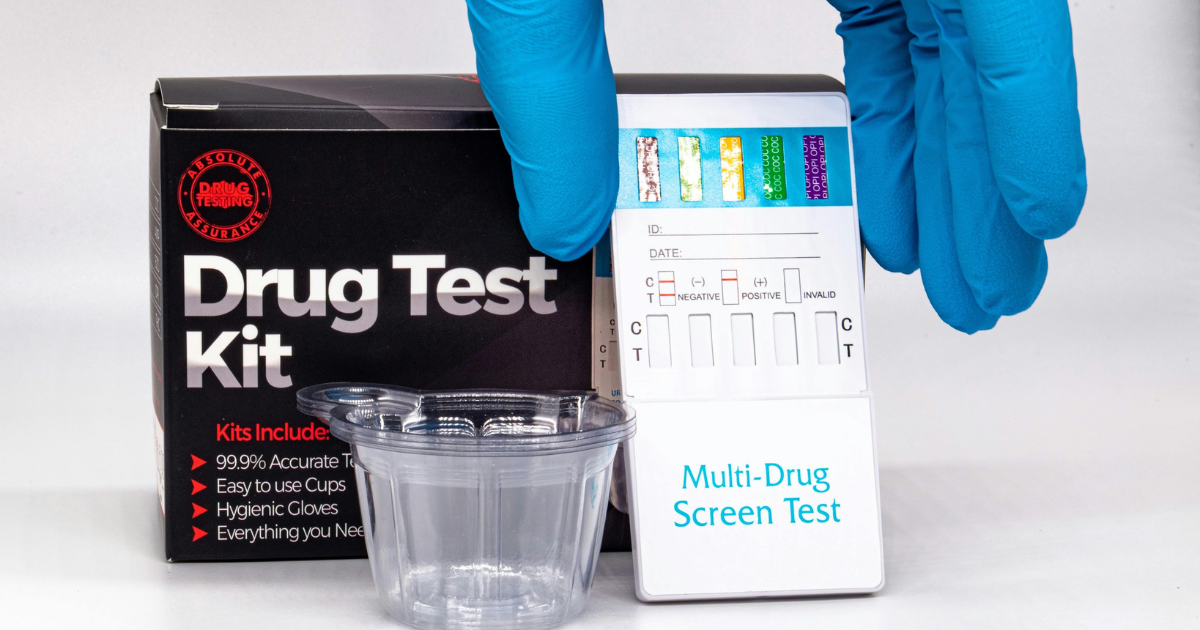
Not all drug test panel are configured to detect buprenorphine. The 5-panel test is the most common test for pre-employment drug screening; it does not include buprenorphine. It may be included in expanded 10-panel and 12-panel tests, but this depends on the lab and the employer’s request.
Whoever orders the test must request a specific buprenorphine assay or a panel that lists buprenorphine or Suboxone by name. Buprenorphine is not even part of the list of commonly tested drugs for federal workplace testing, for instance, by the Department of Transportation.
Buprenorphine Metabolites and Testing Accuracy
Modern laboratory work is seldom dependent on the parent drug alone. A positive result obtained by searching for buprenorphine metabolites will provide a better understanding of the time frame of the last use and more assurance that the positive result was from actual consumption and not contamination or tampering.
The primary active metabolite is norbuprenorphine, which is a byproduct of the liver metabolism of the drug. Confirmatory LC-MS testing quantifies both compounds and their glucuronide conjugates.
If there is insufficient norbuprenorphine with the parent drug, or vice versa, labs can detect probable tampering, such as placing a Suboxone film directly in the urine cup.
Opioid Screening Protocols in Workplace Testing
The opioid crisis has transformed the way companies approach safety, and opioid screenings in the workplace have evolved significantly.
Most employers had long only been testing for opioids that were known to be used for heroin or prescription pain medication, with a significant amount of room for synthetic opioids such as buprenorphine, fentanyl, and tramadol.
Industries such as transportation, health care, and construction increasingly are seeking wider panels. The National Institute on Drug Abuse (NIDA) says that sound testing of workplaces must reflect today’s drugs.
What Employers Should Know About Buprenorphine Detection
Before reacting to an employee’s positive BUP result, the employer running a testing program should consider some practical issues:
- Remember that a positive BUP does not necessarily indicate misuse – many workers use BUP as directed by a provider as part of their MAT program.
- Medical Review Officers (MROs) have to verify legitimate prescriptions before passing results to the employer.
- For employees in regulated positions, the presence of buprenorphine may cause problems because it is not approved under DOT regulations for safety-sensitive positions.
- All matters pertaining to MAT should be done via HR or occupational health — not directly with a manager.
- Random testing must be applied across the board and not be subject to targeting complaints.
Legal Considerations for Medication-Assisted Treatment Employees
The Americans with Disabilities Act (ADA) protects employees in MAT in general. The Equal Employment Opportunity Commission (EEOC) has made it very clear that employees who are prescribed opioids for a legitimate medical reason cannot be fired for taking that medication, even if it is buprenorphine prescribed to treat opioid use disorder.
The employer would be expected to actually engage in discussion with the employee and can only limit the job when there is a documented safety reason.
Substance Abuse Testing Standards and Buprenorphine Compliance
Chain-of-custody, certified lab, and the use of clearly established cutoff levels are critical to the process of providing trustworthy substance abuse testing. Immunoassay screens typically set the buprenorphine cutoff at 5 ng/mL, while LC-MS confirmation detects levels as low as 1 ng/mL.
Certified labs by SAMHSA maintain strict quality assurance procedures such as split sample testing and checks for adulteration. Compliance includes record retention, how MROs review results, and when workers are notified, and helps maintain the program’s credibility and protect worker rights.
Getting Accurate Results: Choosing the Right Testing Method at Bakersfield Recovery Center
From employer development of a defensible testing program to the monitoring of MAT adherence or for someone struggling with recovery, the right testing approach is the difference between useful information and confusion.
Our clinical staff at Bakersfield Recovery Center guides patients and families through just what buprenorphine treatment is like, including what it appears on workplace and clinical screens. Contact Bakersfield Recovery Center for answers to your MAT questions, drug testing information, or to begin your recovery journey today.
FAQs
-
Can buprenorphine show up on standard five-panel drug tests?
Usually not. The 5-panel test is a screening test for amphetamines, cocaine, opiates, PCP, and THC. In fact, buprenorphine has a different chemical composition and requires a different assay. If an employer desires it to be part of the panel, they must request it (specifically).
-
Why do some employers miss buprenorphine in routine opioid screening?
Typical opiate immunoassays detect morphine and codeine. There is no meaningful cross-reactive activity with those tests, however, unless a specific test to measure buprenorphine is ordered as part of the test panel.
-
Does norbuprenorphine remain detectable longer than buprenorphine itself?
Often, yes. Because norbuprenorphine is produced slowly as the liver metabolizes buprenorphine, it will be excreted for a slightly longer period of time in urine.
-
Will medication-assisted treatment patients test positive for opioids?
Not found on most opiate panels. Buprenorphine will not cause a positive opiate result and will appear on tests designed to detect buprenorphine. The MRO who is reviewing the MAT patient’s results should always know the prescriptions that the patient has been taking.
-
Which drug test panels specifically include buprenorphine metabolite detection?
Buprenorphine is sometimes included on a 10-panel and 12-panel urine drug screens, and there are a number of laboratories that provide specialized buprenorphine/norbuprenorphine confirmatory panels. These are ordered by clinical monitoring programs and pain management clinics on a regular basis to monitor adherence.


