






If you’ve landed on this page, some part of you already knows something has to shift. Self harm usually isn’t about wanting to die. It’s about surviving a feeling that got too big to hold. And over time, it can start to feel less like a choice and more like something your body reaches for on its own. That’s the part almost nobody warns you about. What follows is a plain look at how the cycle takes hold, and how people find their way out of it. You can too.
What Is Self Harm Addiction and Why It Happens
Self harm addiction is not a moral failing, and it isn’t a bid for attention. It’s what happens when hurting yourself becomes the quickest way you know to get relief. The brain clocks that relief and tucks it away for next time. Do it often enough and the urge starts arriving on its own, usually right when emotions spike.
The Cycle of Self Injury as a Coping Mechanism
The pattern tends to move in a loop. Pressure builds, something tips it over, and the urge shows up. Acting on it opens a short window of calm. Then shame rushes in, which winds the pressure right back up, and the whole thing resets. Round and round it goes. Naming that loop matters because you break a cycle by interrupting it somewhere, not by hating yourself into stopping.
How Emotional Pain Drives Harmful Behaviors
Underneath nearly every case is pain that never had anywhere to go. Grief that got swallowed. Anger with no safe outlet. Sometimes, a numbness so heavy that feeling something, anything, seems better than feeling nothing at all. Self harm turns into a kind of language for what words haven’t been able to carry. It says, on the body, what the person hasn’t found a way to say out loud.
Recognizing When Cutting Becomes Compulsive
Occasional and compulsive are two different animals. Compulsive means the urge is running the show. You start planning around it. You feel edgy, even panicked, when you can’t act on it. It seeps into more of your week, and it takes more to reach the same relief it once handed you. When a behavior begins making your decisions for you, that’s the tell it has crossed a line.
The Role of Trauma in Self Destructive Patterns
Trauma sits at the root far more often than people expect. Abuse, neglect, loss, a childhood spent bracing for the next bad thing. The nervous system learns early that the world isn’t safe, and self harm can become a way to discharge all that stored alarm. It isn’t a weakness. It’s a body doing the best it can with what it was handed. Healing the trauma is what finally loosens the pattern’s grip.
Physical and Psychological Warning Signs
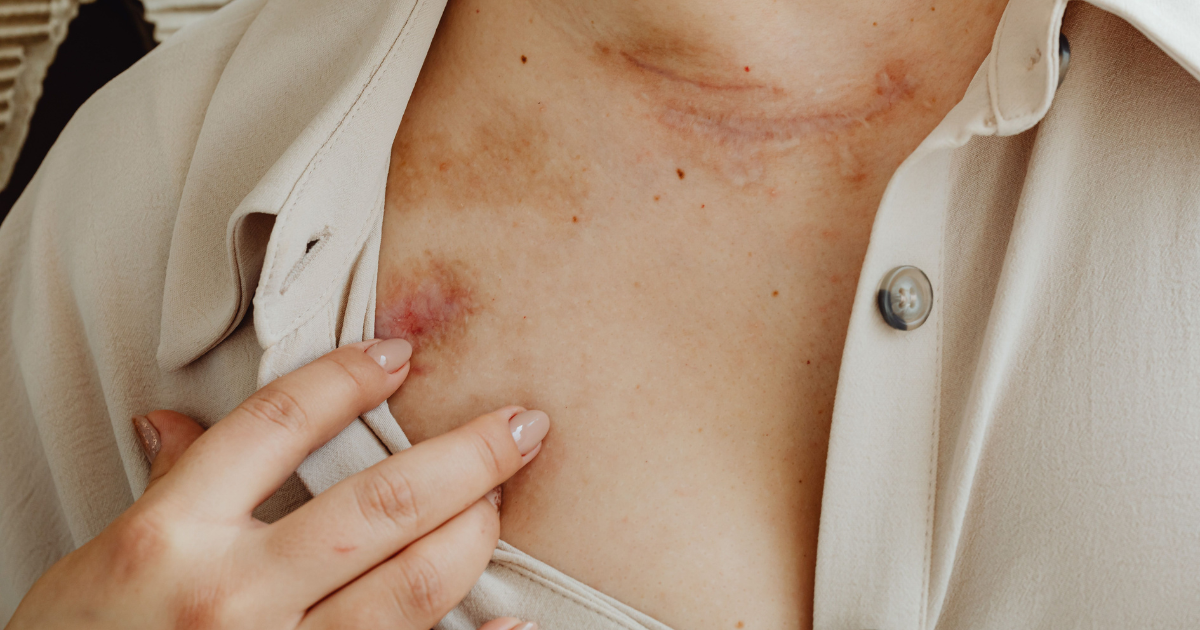
The signs aren’t always obvious, partly because people go to real lengths to hide them. Some are physical, some are emotional, and they tend to travel together. The table below sorts the ones worth watching, whether you’re worried about yourself or someone you love.
| Category | Signs Worth Paying Attention To |
| Physical | Unexplained marks or bandages, covering up in warm weather, injuries that don’t quite add up |
| Behavioral | Pulling away from people, growing secrecy, long stretches spent alone, dropping old interests |
| Emotional | Sharp mood swings, hopelessness, saying they feel numb, empty, or worthless |
When Self Injury Escalates Beyond Control
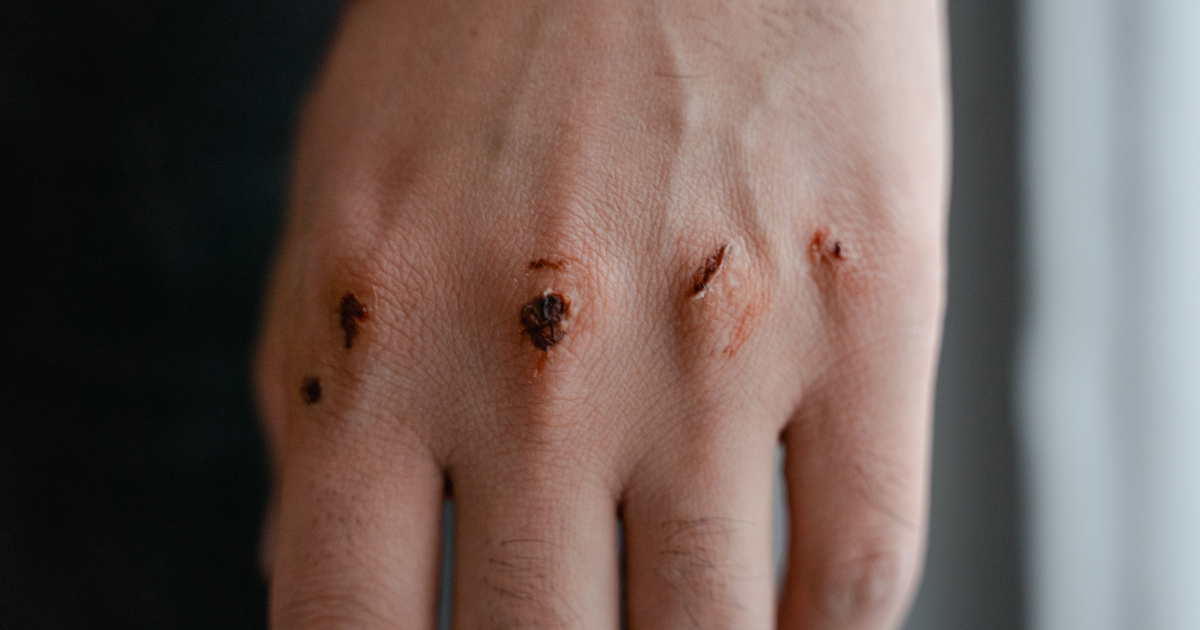
Escalation is quiet at first. What used to happen now and then starts happening weekly, then daily. The relief keeps shrinking, so the behavior grows to chase it. Wounds take longer to heal because there’s less time between them. If someone feels they can’t stop even when they desperately want to, that is not a willpower problem. That’s the point where professional help stops being optional.
Coping Mechanisms That Actually Work
Here’s the honest part. You can’t simply subtract self harm and leave an empty space where it used to be. The urge is doing a job, and something else has to take that job over. The tools below won’t feel as fast at first, and that’s normal. Give them a little runway and they start to hold. A few worth practicing:
- Reach out the second the urge rises, text one person instead of waiting for it to pass
- Ground yourself in your senses, name what you see, hear, and touch until the wave drops
- Shift the state your body is in, a walk, a shower, anything that moves you
- Get the feeling out of you, write it down, draw it, or say it to someone safe
Mental Health Treatment Options for Recovery
There’s no single fix here, and anyone promising one is selling something. Recovery usually blends approaches, matched to whatever is sitting underneath your particular pattern. Some target the thoughts. Some target the emotions. Some go straight for the trauma itself. Here’s a plain look at what tends to help most.
| Treatment Approach | What It Actually Does |
| Cognitive Behavioral Therapy | Untangles the thoughts feeding the urge |
| Dialectical Behavior Therapy | Builds concrete skills to ride out intense emotion |
| Trauma Therapy | Works directly on the wounds driving the behavior |
| Group and Peer Support | Breaks the isolation that keeps the cycle alive |
Why Psychological Counseling Changes Outcomes
Psychological counseling does something a friend, however kind, simply can’t. A counselor helps you see the pattern from the outside, catch the triggers you’ve stopped noticing, and build responses that don’t cost you later. Some weeks it feels slow. But people who stay with counseling are far more likely to stop for good, rather than white-knuckle it until the next hard day arrives.
Trauma Therapy and Healing From Deep Wounds
If trauma is the engine, trauma therapy is how you finally switch it off. Approaches like EMDR and trauma-focused therapy help the brain process what it never got the chance to, so old memories stop tripping the alarm in the present. It isn’t about reliving your worst day on repeat. It’s about taking its power back, gently, at a pace you set, with someone keeping the room steady around you.
Building Your Recovery Resources and Support Network
Nobody recovers in a vacuum. The people around you become part of the treatment, whether that’s family learning how to actually help, a therapist who knows your history, or others walking the same road. If you’re in crisis right now, the 988 Suicide and Crisis Lifeline is free and open around the clock. MedlinePlus, from the U.S. National Library of Medicine, keeps a plain-language hub of recovery resources and where to begin.
Creating a Sustainable Path Forward
A plan you can’t keep isn’t really a plan, it’s a setup for more shame. Sustainable means small and repeatable. Know your triggers. Line up two or three people you can reach fast. Book your next appointment before you leave the last one. Build a day with actual room in it for rest. Progress here is never a straight line, and a slip isn’t a failure. It’s information you can use.
Reclaiming Your Life at Bakersfield Recovery Center
You don’t have to sort this out alone, and you don’t have to hit some dramatic rock bottom before you’re allowed to ask for help. At Bakersfield Recovery Center, the team treats the whole person, the trauma, the emotions, and the behavior all together, with care shaped around your life instead of a script. If any of this sounds like your days lately, reach out. The first call is the hardest one, and it’s the one that changes things.
FAQs
-
How can I tell if self harm is becoming a compulsive addiction rather than occasional behavior?
The shift shows up when the urge starts running your choices. You plan around it, feel panicked when you can’t act on it, and it takes more to get the same relief. If you want to stop and find you can’t, treat that as your signal to get help.
-
What physical signs indicate that cutting or self injury is escalating out of control?
Watch for injuries happening more often, taking longer to heal, or being hidden more carefully than before. Covering up in warm weather and marks that don’t add up are common flags. Rising frequency is usually the clearest sign of all.
-
Why does trauma therapy work better than other mental health treatment approaches for recovery?
For many people, trauma is the engine underneath the behavior. Trauma therapy goes after that root instead of only managing the symptoms, which is why the results tend to last. Even so, the strongest plans usually pair it with other approaches.
-
Which coping mechanisms can actually replace self harm urges when emotional pain feels overwhelming?
Reaching out to one person right away, grounding through your senses, moving your body, and getting the feeling onto paper all help. None will feel as instant at first. With practice, they start doing the job self harm was quietly doing for you.
-
How do I build a support network that helps sustain long-term recovery from self injury?
Start small, with a few people who can show up without judgment, then add a professional who knows your history. Tell them plainly how they can help you. A network that knows your warning signs can step in early, before a rough day turns into a crisis.


