






Hair is one of the first things people notice about you. But what many people do not realize is that what you drink can quietly affect how your hair looks, grows, and feels. Does alcohol cause hair loss? The short answer is yes — and the connection runs deeper than most people think.
Whether you drink occasionally or struggle with heavy use, alcohol can take a serious toll on your hair health over time. Understanding this link is the first step toward making changes that protect your body from the inside out.
The Connection Between Alcohol Consumption and Hair Loss
Alcohol and hair loss are more closely linked than many people expect. When you drink, your body works hard to process the alcohol, and this process pulls resources away from important functions — including hair growth. Alcohol raises estrogen levels, disrupts hormone balance, and increases inflammation throughout the body.
All of these changes create conditions where hair follicles struggle to work properly. People who drink regularly often notice their hair becoming thinner, weaker, or more prone to shedding. This is not just bad luck. It is your body sending a clear signal that something is wrong.
How Alcohol Disrupts Hair Growth Cycles
Hair growth happens in cycles — growth, rest, and shedding. Alcohol interferes with this process by affecting the hormones and nutrients that control each stage. When the body is under stress from alcohol, more hair follicles shift into the shedding phase too early. The result is noticeable hair loss over weeks and months.
The Impact of Drinking Alcohol on Hair Follicles
Drinking alcohol hair thinning often begins at the follicle level. Hair follicles need a steady supply of blood, oxygen, and nutrients to stay healthy. Alcohol dehydrates the body, reduces circulation, and disrupts the delivery of these essential supplies.
When follicles are starved of nutrients, they produce thinner, weaker strands — and may eventually stop producing hair altogether. Dehydration alone can make hair brittle and more likely to break before it even reaches a noticeable length.
Why Excessive Drinking Causes Hair Thinning
Excessive drinking hair damage occurs because alcohol triggers high levels of the stress hormone cortisol. Elevated cortisol signals the body to conserve resources, which means hair growth becomes a low priority.
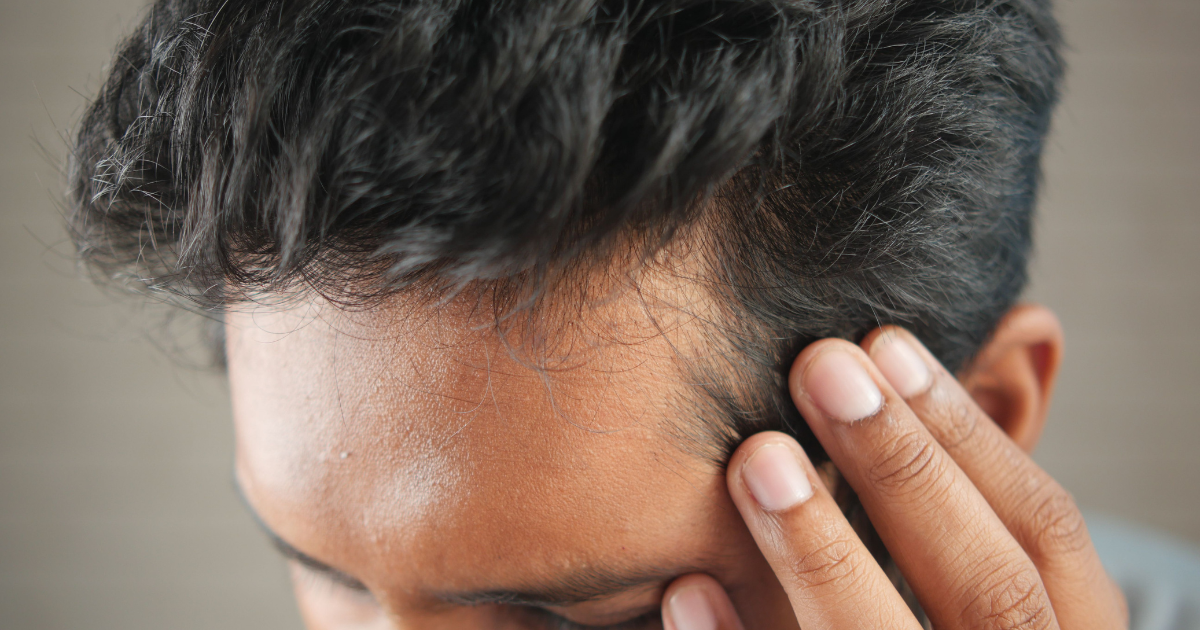
Over time, this hormonal disruption shortens the active growth phase of the hair cycle, leading to widespread thinning across the scalp. This is why people with long-term heavy drinking habits often notice diffuse hair loss rather than patches — because the whole system is affected.
Nutritional Deficiencies Caused by Alcohol Use
One of the most damaging things alcohol does is block your body from absorbing key vitamins and minerals. Nutritional deficiencies hair loss is a well-documented pattern in people who drink heavily. Alcohol depletes iron, zinc, biotin, folic acid, and vitamins B12 and D — all of which are critical for healthy hair growth.
Here is a breakdown of the most important nutrients affected by alcohol:
| Nutrient | Role in Hair Health | Effect of Deficiency |
| Iron | Carries oxygen to follicles | Hair shedding, fatigue |
| Zinc | Supports hair tissue repair | Slow growth, brittle strands |
| Biotin (B7) | Strengthens keratin structure | Thinning, breakage |
| Vitamin B12 | Promotes red blood cell production | Hair loss, weakness |
| Folic Acid | Supports cell regeneration | Premature hair loss |
| Vitamin D | Stimulates follicle cycling | Sparse, slow-growing hair |
For more information on nutrition and hair health, the American Academy of Dermatology offers reliable, research-backed guidance on how deficiencies affect the scalp and hair follicles.
Liver Disease and Its Role in Hair Loss
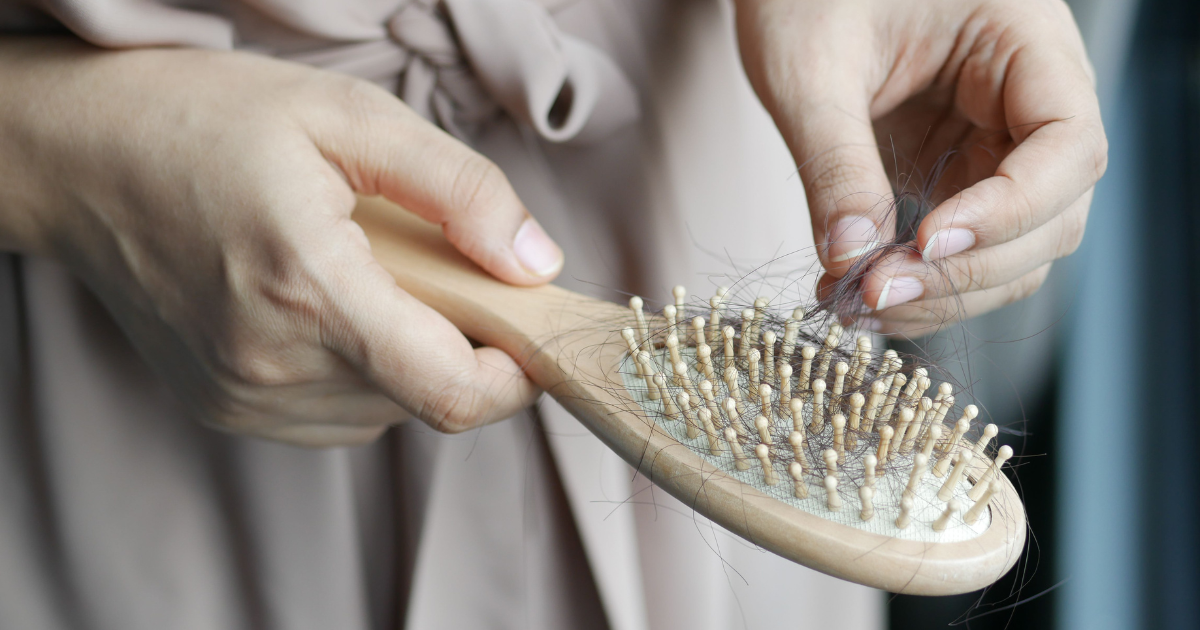
The liver plays a central role in filtering toxins, producing proteins, and managing hormones. When alcohol damages the liver, all of these functions break down. Liver disease hair loss happens because a damaged liver cannot properly regulate the hormones responsible for hair growth. It also struggles to produce the proteins that form the structure of each hair strand. As liver function declines, so does hair quality — and the loss can become significant in people with advanced liver disease.
Understanding Alcohol-Related Alopecia
Alcohol related alopecia is a term used to describe hair loss that is directly caused or worsened by alcohol use. It is not a single condition but rather a pattern of hair loss that results from the combined effects of hormonal imbalance, poor nutrition, oxidative stress, and reduced blood flow — all triggered by heavy drinking. Unlike genetic hair loss, alcohol-related alopecia is largely reversible when the underlying cause is addressed.
The Science Behind Alcoholism Hair Loss
Alcoholism hair loss is backed by real biology. Chronic alcohol use increases oxidative stress in the body, meaning harmful free radicals build up and damage cells — including the cells inside hair follicles. Alcohol also suppresses the immune system, which can trigger autoimmune responses that attack follicles directly.
How Chronic Drinking Damages Hair Health
Does alcohol cause hair loss through long-term use? Absolutely. Chronic drinking damages hair health at the cellular level by reducing the production of keratin — the protein that makes up about 95% of each hair strand. Without enough keratin, hair becomes fragile, thin, and prone to falling out.
The scalp’s natural oil balance is also disrupted, leading to dryness or dandruff, which further weakens follicle health. The National Institute on Alcohol Abuse and Alcoholism has published extensive research on how chronic alcohol use damages body systems, including those responsible for hair and skin health.
Hair Regrowth After Quitting Alcohol
The good news is that hair regrowth after quitting alcohol is absolutely possible for most people. Once you stop drinking, the body begins to rehydrate, hormone levels start to normalize, and nutrient absorption improves. Most people begin to notice reduced shedding within the first few months of sobriety.
Fuller regrowth typically follows within six to twelve months, depending on the extent of the damage and overall health. Eating a nutrient-rich diet, staying hydrated, and avoiding other stressors can speed up the process. Recovery is real — and your hair can come back.
Recovery and Restoration at Bakersfield Recovery Center
At Bakersfield Recovery Center, we understand that alcohol affects far more than just behavior — it impacts your health, your appearance, and your sense of self. Our compassionate team is here to support you through every stage of recovery, from detox to long-term wellness.
We offer personalized treatment plans designed to help you heal physically and emotionally. If alcohol has been affecting your hair, your health, or your life, take the first step today. Reach out to Bakersfield Recovery Center and let us help you rebuild — inside and out. Your recovery journey starts with one call.
FAQs
-
Does alcohol-related alopecia reverse after quitting drinking?
Yes, alcohol-related alopecia can often reverse once drinking stops completely. The body begins healing as nutrients are better absorbed and hormones rebalance. Most people notice visible improvement within six to twelve months of sobriety.
-
How quickly does hair regrowth occur following alcohol cessation?
Hair regrowth after quitting alcohol typically begins within two to three months. Significant regrowth is usually visible between six months and one full year. Individual results depend on health, nutrition, and the extent of prior damage.
-
Can liver disease from drinking permanently damage hair follicles?
Severe liver disease can cause lasting follicle damage if left untreated for long. However, early intervention and sobriety can allow partial or full follicle recovery. Consulting a doctor promptly gives you the best chance of reversing this damage.
-
What nutritional deficiencies from alcohol cause the most hair loss?
Iron, zinc, and biotin deficiencies caused by alcohol are the most damaging overall. These nutrients are essential for follicle function, keratin production, and hair growth. Correcting these deficiencies through diet or supplements supports healthy hair restoration.
-
How does chronic drinking damage hair health at the cellular level?
Chronic drinking raises oxidative stress, which destroys the cells inside hair follicles. Alcohol also reduces keratin production, leaving each hair strand fragile and thin. Over time, this cellular damage leads to widespread thinning and significant hair loss.


