



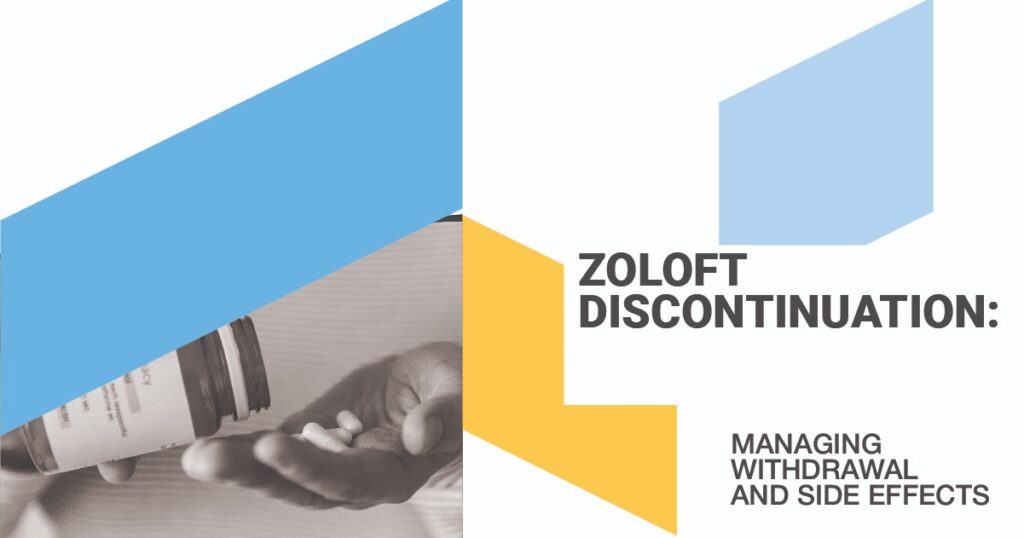
Depression and anxiety can be successfully treated with medication carefully chosen and prescribed to a patient by a psychiatrist but sometimes the prescription drug itself can be dangerous to the person’s health whether they misuse it or they stop taking it abruptly. It can happen with Zoloft – a popular selective serotonin reuptake inhibitor (SSRI) which is why stopping Zoloft without prior consultation with a medical professional or proper detoxification can be quite a challenge.
In this guide, we will talk about the symptoms the individual exhibits when they discontinue Zoloft and treatment strategies that can help them overcome Zoloft dependence.
Introduction to Zoloft Withdrawal and Common Challenges
Sertraline (Zoloft is a brand name of the medication) is a powerful antidepressant that increases the amount of serotonin in the person’s brain. It is frequently prescribed to patients diagnosed with anxiety disorders, mood disorders, and trauma disorders – it is a versatile and effective drug.
Despite all the benefits of Zoloft, there may be issues especially if the patient increases the dose without talking to their psychiatrist first and experiences the symptoms of addiction. Recreational use of Zoloft can also put your health at risk – this antidepressant is mind-altering which will affect your behavioral and emotional patterns.
Recognizing Symptoms of Sertraline Withdrawal
While only a healthcare professional can confirm you are going through a Zoloft withdrawal, there are symptoms you should be able to identify to know when to seek medical help. There are factors that contribute to the withdrawal and may make it more intense – it depends on your individual metabolic rate, the dosage of the prescription drug, and the method of discontinuation since quitting Zoloft abruptly can be more detrimental to you.
Early Signs and Common Withdrawal Experiences
| Signs of Withdrawal | Description |
| Flu-Like Symptoms | There may be gastrointestinal issues like nausea and vomiting in addition to excessive sweating. |
| Physical Discomfort | Dizziness, fatigue, headaches, and vertigo are quite common. |
| Emotional Disturbances | The mood changes – the individual becomes irritated, anxious, and agitated. |
| Sleep Issues | The person may struggle to fall asleep to the point of developing insomnia or see vivid and unusual dreams. |
| Cognitive Struggles | It will be hard to concentrate on a simple task or recall important information – in some instances, the individual becomes confused. |
Safely Tapering Off Zoloft
Zoloft discontinuation is a complex process that is worth all the effort and time you will dedicate to it – the support of healthcare professionals, a customized tapering schedule, and your devotion to the plan that you create to reduce the symptoms and improve your health simultaneously will allow you to overcome the dependence on this drug.

Building an Effective Zoloft Taper Plan
Discontinuing Zoloft is a demanding task – here is how you can safeguard your health and make sure you have a profound recovery:
- Before you commit to any kind of plan, consult with a doctor. There may be underlying physical or neurological conditions you are not aware of currently which is why it is essential to have professional guidance at this challenging time.
- Prepare a Zoloft tapering schedule. It will look different for every person – for instance, if you have been taking 200 mg of Zoloft, you can reduce the dosage to 150 mg, 100 mg, and 75 mg.
- Involve family and friends in the process of recovery. The people you trust can hold you accountable, remind you of your objectives, and recognize the symptoms you might miss.
- Sign up for therapy. The therapy modality that will be useful in your case depends on your previous experiences and future aspirations – some individuals require trauma-focused care while others thrive in cognitive behavioral therapy that allows them to reframe negative thinking patterns.
Managing Side Effects During Zoloft Discontinuation
While certain Zoloft side effects such as nausea or insomnia can be mild and go away on their own without medical intervention, do not just expect it to happen – it may be hard to predict the signs of withdrawal in every particular case but it is important to be ready to handle the most complex symptoms.
Natural and Supportive Approaches to Zoloft Detox
The combination of psychotherapy and medication management is the best strategy – still, there are other things you can do to minimize the effects of Zoloft on your health:
| Advice | Description |
| Practice Mindfulness | Find out what you resonate with – yoga, breathing exercises, and meditation usually calm the nervous system and reduce stress. |
| Optimize Your Nutritional Intake | In addition to proper hydration, introduce fruits and vegetables to your diet and eat fiber-rich foods like beans and oats to support liver health. |
| Exercise | Even gentle exercise will encourage blood circulation and promote the release of toxins. |
| Fix Your Sleep Routine | Eight hours of sleep will support the repair processes in your body. |
| Try Unconventional Therapies | Massage and acupuncture will reduce your anxiety and cravings as well as improve circulation. |
Seek Professional Help for Zoloft Withdrawal at Bakersfield Recovery Center
Whether you have been struggling with Zoloft side effects or you want to stop taking this medication under the supervision of experienced specialists, talking to a mental health professional is the right choice before any decisions are made. Our facility welcomes all individuals in need of guidance and support especially if withdrawal from Zoloft takes a toll on their physical and mental health.
Reach out to Bakersfield Recovery Center today – together, we can figure out how to prevent severe symptoms of withdrawal and help you build a future that is not defined by prescription medication.

FAQs
1. What are common symptoms to expect during sertraline withdrawal and how can they be identified early?
Zoloft side effects vary from person to person but most individuals struggle to eat and sleep well, they feel fatigued and dizzy, they experience nausea and upset stomach, and they sweat excessively. The discontinuation can also affect your mental wellness – anxiety, depression, impulsiveness, and agitation will warrant an immediate mental health intervention.
2. How can one effectively create a Zoloft taper plan to minimize withdrawal effects?
Talk to your primary care physician or therapist about the steps you should take – you will need a precise plan adjusted to the approximate withdrawal timeline and a solid support network of fellow patients and your loved ones to remain focused on your goal and combat potential mental health problems.
3. What are some strategies for managing side effects while stopping Zoloft?
Do not disregard your physical health, rely on holistic methods to restore the balance between your body and mind, and prioritize sleep to be well-rested and manage physical and mental fatigue.
4. How can natural approaches assist in the Zoloft detox process?
Hydrating, going to the sauna, doing breathing exercises, and eating nutrient-dense foods will boost your digestion and support your liver – it is possible to avoid or lessen the most adverse side effects of Zoloft withdrawal if you take care of yourself.
5. When is it crucial to seek professional help while discontinuing Zoloft?
Ideally, you should not taper off Zoloft without discussing it with your doctor first. However, as soon as you notice the side effects that interfere with your day-to-day activities such as anxiety, insomnia, and cognitive decline, do not hesitate to speak to a specialist.