





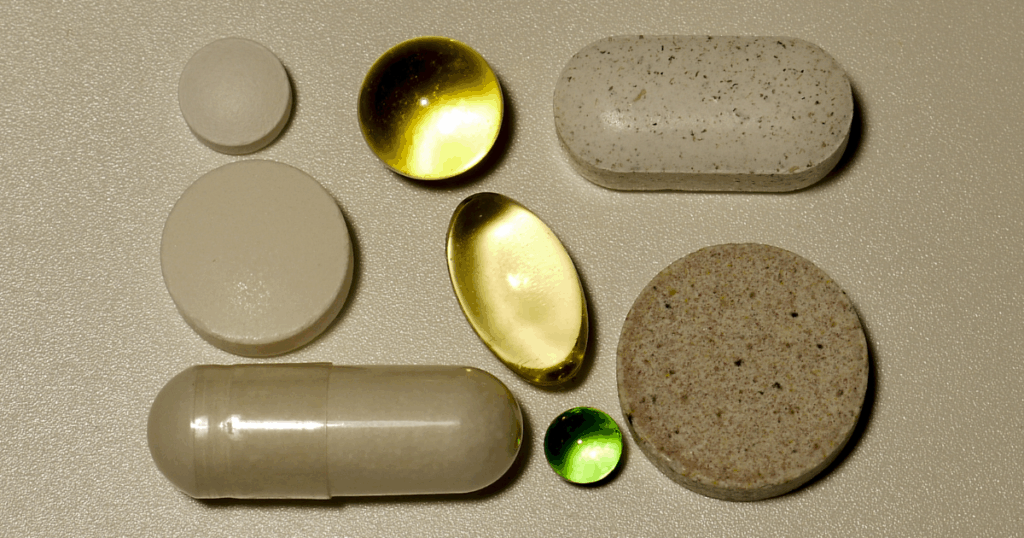
Barbiturates have a long history in medicine, dating back to the 19th century when they were commonly prescribed for anxiety, insomnia, and seizure disorders. While safer alternatives have largely replaced these drugs in clinical practice, barbiturate misuse remains a serious concern. Some people still abuse barbiturates to experience the euphoria and relaxation they produce.
Understanding how barbiturates work, recognizing the warning signs of addiction, and knowing your treatment options can help you or someone you care about take the first steps toward recovery.
What Are Barbiturates?
Barbiturates are central nervous system depressants derived from barbituric acid. These drugs reduce brain activity and produce a sedating effect, which made them popular treatments for insomnia and anxiety decades ago.
Today, medical use of barbiturates is limited. The Drug Enforcement Administration classifies most barbiturates as Schedule II, III, or IV controlled substances, meaning they cannot be legally sold or possessed without a prescription. When barbiturates are prescribed, it is typically for specific conditions like seizure disorders or severe migraines rather than general anxiety or sleep problems.
Common Types of Barbiturates Still in Use
While most barbiturates have been phased out of clinical practice, a few remain in limited medical use.
Phenobarbital is perhaps the most well-known barbiturate still prescribed today. It appears on the World Health Organization’s List of Essential Medicines and is used to treat epilepsy, various seizure types, and withdrawal symptoms in people recovering from drug or alcohol dependence.
Amobarbital serves as a sedative and hypnotic drug. Doctors also use it during the Wada test, a procedure that helps determine which side of the brain controls language function before brain surgery.
Butalbital is prescribed for migraines and tension headaches. This drug is never taken alone but is combined with painkillers and caffeine to improve its effectiveness. People with medication overuse headaches should avoid butalbital.
How Barbiturates Affect the Brain
Barbiturates work by enhancing the activity of gamma-aminobutyric acid (GABA), a neurotransmitter that slows brain function and decreases nerve signal transmission. This mechanism produces the characteristic sedating and tranquilizing effects these drugs are known for.
When barbiturates enter the brain, a person may feel drowsy, unsteady, and unable to concentrate. Higher doses can cause slurred speech, confusion, agitation, and memory loss. The narrow margin between a therapeutic dose and a dangerous dose makes barbiturates particularly risky.
If you suspect someone has overdosed on barbiturates, seek emergency medical help immediately. Healthcare providers can administer treatments to help save the person’s life.
Side Effects of Barbiturates
Like all medications, barbiturates carry the risk of adverse effects. Common side effects include drowsiness and fatigue, where you may feel exhausted and fall asleep within minutes of taking the drug. Headaches and migraines are frequently reported, along with nausea and stomach upset, especially when taken without food.
Beyond these immediate effects, barbiturates carry a significant risk of dependence. Even short-term use lasting just a few weeks to a few months can lead to drug dependency. As tolerance builds, a person needs higher doses to achieve the same effect, creating a dangerous cycle that can quickly spiral into addiction.
Recognizing the Signs of Barbiturate Addiction
Early recognition of barbiturate addiction can make a significant difference in treatment outcomes. Watch for these warning signs in yourself or someone you care about.
Mood and behavioral changes often appear first. A person abusing barbiturates may become easily irritated, show signs of depression, or experience heightened anxiety. Their personality may seem different, and their emotional responses may be unpredictable.
Cognitive difficulties become apparent as addiction progresses. Trouble focusing, memory problems, and difficulty speaking coherently are common indicators that barbiturate use has become problematic.
Physical symptoms are often the most visible signs. Poor coordination, slow movement, nausea, and hyperventilation can all point to barbiturate abuse. These effects become harder to hide as addiction deepens.
The Dangers of Barbiturate Withdrawal
When someone addicted to barbiturates stops taking the drug, withdrawal symptoms can be severe and potentially dangerous. Common withdrawal symptoms include insomnia and sleep disturbances, tremors and shaking, muscle pain and cramping, hallucinations, and in serious cases, seizures.
Because of these risks, medical professionals strongly recommend against quitting barbiturates abruptly. Withdrawal should always occur under medical supervision, where healthcare providers can monitor symptoms and intervene if complications arise.
Treatment Options for Barbiturate Addiction
Recovery from barbiturate addiction is possible with the right support and treatment approach. Several evidence-based options can help you or your loved one overcome dependence and build a foundation for lasting sobriety.
Professional therapy provides a cornerstone of effective addiction treatment. Working with a therapist experienced in substance use disorders helps identify the root causes of addiction and develop personalized strategies for recovery. Cognitive behavioral therapy, motivational interviewing, and other therapeutic approaches have proven effective for barbiturate addiction.
Medical detox offers a safe way to clear barbiturates from your system while managing withdrawal symptoms. Rather than quitting abruptly, medical detox involves gradually reducing the dosage under professional supervision. This approach minimizes discomfort and reduces the risk of dangerous complications like seizures.
Support groups connect you with others who understand what you are going through. Sharing experiences with people who have faced similar struggles provides encouragement, accountability, and practical insights for maintaining sobriety. Involving family and friends in your recovery journey can also strengthen your support network.
Residential treatment programs provide comprehensive care in a structured environment. For many people struggling with barbiturate addiction, stepping away from daily triggers and stressors allows them to focus fully on recovery.
FAQs About Barbiturates
1. Are barbiturates still prescribed today? Yes, but in very limited circumstances. Phenobarbital is still used for epilepsy and seizure disorders, butalbital is prescribed for severe migraines, and amobarbital has specific medical applications. However, safer alternatives have replaced barbiturates for most conditions they once treated.
2. How quickly can someone become addicted to barbiturates? Dependence can develop within weeks to months of regular use. As tolerance builds, users need increasingly higher doses to achieve the same effects, which accelerates the progression toward addiction.
3. Why is it dangerous to quit barbiturates without medical help? Barbiturate withdrawal can cause severe symptoms including seizures, which can be life-threatening. Medical supervision ensures symptoms are properly managed and complications are addressed immediately.
4. What makes barbiturates more dangerous than other sedatives? Barbiturates have a narrow therapeutic window, meaning the difference between an effective dose and a dangerous dose is small. This makes accidental overdose more likely compared to newer sedative medications.
5. Can barbiturate addiction be treated successfully? Yes. With proper medical support, therapy, and ongoing recovery resources, people addicted to barbiturates can achieve lasting sobriety and rebuild their lives.
Take the First Step Toward Recovery at Bakersfield Recovery Center
If you or someone you love is struggling with barbiturate addiction, you do not have to face this challenge alone. Bakersfield Recovery Center offers compassionate, evidence-based treatment programs designed to address the physical, emotional, and psychological aspects of addiction. Our experienced team provides medical detox, individual therapy, group support, and aftercare planning to help you build a strong foundation for lasting recovery. Contact Bakersfield Recovery Center today to learn more about our programs and take the first step toward a healthier, substance-free life.


