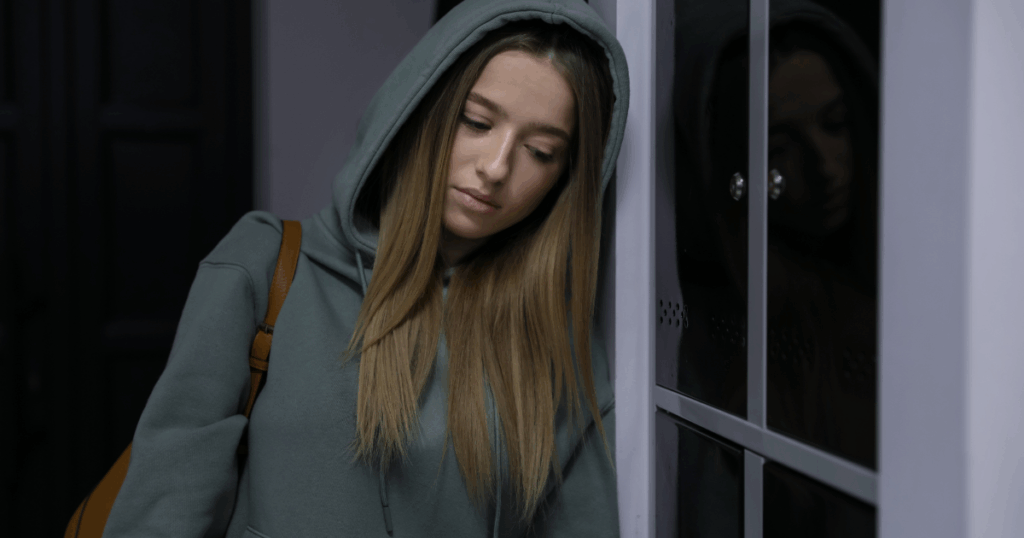




The Festival of Lights carries profound symbolism of hope, miracles, and perseverance through darkness. Yet for many people, depression during Hanukkah creates a painful contrast between the holiday’s luminous meaning and the heaviness they feel inside. While others gather to light menorahs and celebrate with family, those struggling with depression may find themselves unable to access the joy and connection the season promises. If you recognize yourself in this experience, know that your feelings are valid and that finding light amid darkness is possible.
Holiday blues: Hanukkah affects countless individuals who feel isolated by the gap between expectation and reality during this eight-night celebration. The winter timing of the holiday coincides with seasonal affective disorder Hanukkah symptoms, while family gatherings can intensify loneliness during Hanukkah for those who feel disconnected or are mourning losses. This guide offers compassionate strategies for navigating the Festival of Lights when your own inner light feels dim, honoring both your emotional needs and your connection to meaningful traditions.
Depression During Hanukkah and Holiday Blues
Depression during Hanukkah manifests in ways that the holiday context makes particularly challenging. The emphasis on light, joy, and family gathering creates pressure to feel celebratory when your emotional state may be anything but. You might find yourself going through the motions of kindling candles while feeling disconnected from the ritual’s meaning, or withdrawing from gatherings that once brought warmth.
Common experiences of holiday blues during Hanukkah include:
- Persistent sadness that does not lift even during pleasant moments
- Difficulty finding energy for holiday preparations and celebrations
- Guilt for not experiencing the joy others seem to feel easily
- Irritability that strains relationships during family time
- Changes in sleep, appetite, or concentration
- Feelings of emptiness when traditions feel hollow
- Withdrawal from community gatherings and social events
Understanding Emotional Challenges Beneath the Festival of Lights
The emotional challenges beneath holiday struggles often extend beyond simple sadness. Depression during Hanukkah may surface unresolved grief, family tensions, financial stress, or existential questions that the season brings into sharper focus. The holiday’s emphasis on miracles can feel painful when you are waiting for relief that has not come.

Hanukkah’s themes of darkness and light hold particular resonance for those struggling emotionally. The story commemorates a time when circumstances seemed impossible, when resources were depleted, and when hope required faith in the unseen. For those experiencing depression, this narrative can offer either comfort or painful irony, depending on where you are in your journey.
| Hanukkah Theme | Challenge for Those with Depression | Reframe for Healing |
| Light conquering darkness | May feel disconnected from hope | Small lights matter; one candle begins change |
| Miracle of oil lasting | Waiting for own miracle of relief | Perseverance itself is meaningful |
| Family gathering | Loneliness or difficult dynamics | Connection can take many forms |
| Celebration and joy | Pressure to feel what you cannot | Honoring the holiday can include honoring struggle |
| Faith and gratitude | Spiritual doubt during suffering | Questions are part of Jewish tradition |
Seasonal Affective Disorder During Hanukkah and Faith-Based Rhythms
Seasonal affective disorder Hanukkah timing creates a biological dimension to holiday depression that deserves recognition. Hanukkah falls during the darkest weeks of the year in the Northern Hemisphere, when reduced daylight hours disrupt circadian rhythms and neurotransmitter production. For many people, what feels like holiday depression actually reflects physiological responses to decreased light exposure.
Symptoms of seasonal affective disorder include:
- Persistent low mood that worsens as days shorten
- Fatigue despite adequate sleep
- Increased appetite, particularly for carbohydrates
- Social withdrawal and isolation
- Difficulty concentrating and making decisions
- Loss of interest in previously enjoyed activities
Loneliness During Hanukkah: Building Connection
Loneliness during Hanukkah affects people regardless of whether they are physically alone or surrounded by others. Geographic distance from family, estrangement from loved ones, or feeling emotionally disconnected even in crowded rooms all contribute to profound isolation during a holiday centered on togetherness. The emphasis on family celebration can intensify awareness of what is missing.
Sources of holiday loneliness include:
- Living far from family or the Jewish community
- Estrangement or conflict with family members
- Loss of loved ones who shaped holiday traditions
- Feeling different or misunderstood by those around you
- Depression itself creates isolation and withdrawal
- Being single when gatherings focus on families
Creating Meaningful Bonds Through Community and Shared Traditions
Creating meaningful bonds during Hanukkah requires recognizing that connection takes many forms beyond traditional family gatherings. Jewish community resources offer opportunities for belonging that do not depend on biological family, while chosen relationships can provide the warmth and understanding that the season calls for.
Strategies for building connection include:
- Attending synagogue or community Hanukkah events
- Reaching out to others who may also feel isolated
- Joining virtual gatherings when in-person attendance feels overwhelming
- Volunteering to help others during the holiday season
- Connecting with online Jewish communities
- Inviting friends to share in candle lighting or meals
| Connection Strategy | How It Addresses Loneliness | Getting Started |
| Community events | Provides belonging without family pressure | Check local synagogue or JCC calendars |
| Virtual gatherings | Connects across distance; lower-pressure participation | Search for online Hanukkah events |
| Reaching out to others | Creates mutual support; reduces isolation for two | Send a message to someone who might also struggle |
| Volunteering | Provides purpose and human contact | Contact local Jewish organizations about opportunities |
| Chosen family celebrations | Creates a holiday experience without difficult dynamics | Invite friends for candle lighting |
Grief During Hanukkah: Honoring Memories
Grief during Hanukkah surfaces powerfully as empty chairs at the table and altered traditions highlight absence. Whether mourning recent losses or carrying long-term grief, the holiday’s emphasis on family gathering and tradition can make sorrow feel fresh again. The memories triggered by familiar rituals, songs, and foods connect you to those no longer present in ways that are both precious and painful.
Honoring memories while navigating grief requires creating space for both sorrow and continuation. Some find comfort in lighting an additional candle in memory of loved ones, speaking their names during blessings, or maintaining traditions they cherished. Others need permission to modify or step back from rituals that feel too painful this year.
Self-care during Hanukkah when grieving means:
- Allowing yourself to feel whatever emotions arise without judgment
- Communicating your needs to family members
- Setting boundaries around activities that feel too difficult
- Finding ways to honor loved ones that feel meaningful to you
- Accepting that grief and celebration can coexist
- Seeking support from others who understand loss
Coping Strategies for Hanukkah and Self-Care During the Season
Coping strategies Hanukkah provides must balance participation in meaningful traditions with protection of emotional well-being. Rather than forcing yourself through every ritual and gathering regardless of cost, consider which observances genuinely nourish you and which deplete reserves you cannot spare. Selective participation honors both your heritage and your humanity.
Effective self-care during Hanukkah includes:
- Maintaining basic routines around sleep, nutrition, and movement
- Setting realistic expectations for holiday participation
- Building rest and recovery time into your schedule
- Limiting alcohol, which worsens depression
- Continuing therapy and medication as prescribed
- Using light therapy if seasonal factors contribute to your depression
- Practicing self-compassion when you cannot meet expectations
Mental Health Support During Hanukkah and Jewish Community Resources
Mental health support Hanukkah seekers need is available through both general mental health services and culturally specific resources. Jewish community resources offer support that understands the particular context of Jewish holidays, family dynamics, and spiritual concerns that may intersect with depression.
Resources to consider include:
- Therapists and counselors, particularly those familiar with Jewish culture
- Jewish Family Services agencies offering counseling and support
- Rabbis and pastoral counselors for spiritual dimensions of struggle
- Support groups for depression, grief, or holiday-specific challenges
- Crisis lines including the 988 Suicide and Crisis Lifeline
- Online communities connecting Jews navigating mental health challenges
Seeking help aligns with the Jewish value of pikuach nefesh—the principle that preserving life takes precedence. Mental health is part of the life we are called to protect and nurture. Reaching out for support during Hanukkah represents wisdom and self-care rather than weakness or failure.
Reconnecting with Hope, Faith, and Personal Meaning
Reconnecting with hope during depression does not require forcing feelings you cannot access. Instead, it involves remaining open to small moments of light while accepting where you are. The Hanukkah story itself acknowledges that miracles sometimes come in unexpected forms and timelines – hope can mean continuing to show up even when results are not yet visible.
Finding personal meaning in Hanukkah while depressed might involve focusing on themes that resonate with your experience – perseverance through difficulty, small lights mattering in large darkness, or the gradual nature of change symbolized by adding one candle at a time. The holiday need not demand joy to offer meaning.
Discover Emotional Strength and Guidance at Bakersfield Recovery Center
Depression during Hanukkah can dim the Festival of Lights, but support exists for finding your way through the darkness. Whether you struggle with seasonal affective disorder, Hanukkah symptoms, loneliness during Hanukkah, grief during Hanukkah, or persistent depression that the holiday intensifies, you do not have to navigate this season alone. Coping strategies Hanukkah provides, combined with the professional mental health support Hanukkah makes available, can help you move through this time with greater ease.
If you are struggling with depression during the holiday season, compassionate professional support can make a meaningful difference. At Bakersfield Recovery Center, we understand that holidays can intensify emotional challenges and offer evidence-based treatment for depression, anxiety, and co-occurring conditions. Our team provides therapy, medication management when appropriate, and comprehensive support that honors your unique needs and circumstances. Contact Bakersfield Recovery Center today to learn how we can help you find your way back to light and hope.
FAQs
How can I cope with holiday blues during Hanukkah while maintaining my mental health?
Coping with holiday blues involves balancing participation in meaningful traditions with protection of your emotional well-being, setting realistic expectations, and maintaining basic self-care around sleep, nutrition, and movement. Selective participation in gatherings and rituals that nourish rather than deplete you honors both your heritage and your current capacity. Seeking professional support if symptoms persist or worsen provides additional resources for navigating the season.
What are effective coping strategies for managing seasonal affective disorder during Hanukkah?
Effective strategies include light therapy using a 10,000 lux light box for twenty to thirty minutes each morning, maintaining consistent daily routines despite holiday disruptions, and maximizing natural light exposure during daylight hours. The ritual of lighting Hanukkah candles each evening can complement these interventions by providing meaningful structure and additional light exposure. Professional treatment, including therapy and sometimes medication, may be appropriate when symptoms significantly impact functioning.
How can I address feelings of loneliness during Hanukkah and build meaningful connections?
Addressing loneliness involves actively seeking connection through community events, virtual gatherings, or reaching out to others who may also feel isolated during the holiday. Jewish community resources, including synagogue programs, Jewish Community Centers, and Jewish Family Service,s offer opportunities for belonging that do not depend on traditional family structures. Creating celebrations with chosen family or friends provides holiday connection while honoring your authentic relationships.
What are some ways to honor the memory of loved ones and manage grief during Hanukkah?
Honoring loved ones during Hanukkah can include lighting an additional candle in their memory, speaking their names during blessings, maintaining traditions they cherished, or sharing stories about them with others. Managing grief also requires giving yourself permission to modify or step back from rituals that feel too painful and communicating your needs to family members. Accepting that grief and celebration can coexist allows for authentic emotional experience rather than forced positivity.
Where can I find mental health support and Jewish community resources during Hanukkah?
Mental health support is available through general mental health services as well as culturally specific resources, including Jewish Family Services agencies that offer counseling with an understanding of Jewish contexts and concerns. Synagogues often provide pastoral counseling or can connect you with appropriate resources, while online Jewish communities address mental health topics with cultural sensitivity. Crisis support is available through the 988 Suicide and Crisis Lifeline, and Bakersfield Recovery Center offers comprehensive treatment for depression and related conditions.